

Working out challenges your muscles, but what you do afterward can be just as important. Your body needs time, nutrients, fluids, and rest to repair the small amounts of muscle damage caused by exercise. Without enough recovery, soreness can last longer and your performance may suffer. Muscle recovery is the process your body uses to repair and rebuild muscle tissue after physical activity. It also helps restore energy stores and prepare your body for the next workout. The good news is that effective recovery does not have to be complicated. Simple habits can make a real difference. Here are some practical ways to support your body after exercise.
Fuel Your Muscles With Protein, Carbs, and Hydration
What you eat and drink after a workout gives your body the raw materials it needs to recover. Protein is especially important because it provides amino acids that support muscle repair and protein synthesis.
You do not necessarily need a special recovery supplement. A balanced meal containing a good source of protein can often meet your needs.
Good post-workout protein sources include:
- Eggs, chicken, turkey, or fish
- Greek yogurt and cottage cheese
- Milk or other dairy products
- Beans, lentils, and other legumes
- Tofu and other soy-based foods
Carbohydrates also play an important role. Exercise uses glycogen, the stored form of carbohydrate in your muscles. Eating carbohydrates after training can help replenish these energy stores, especially when you train frequently or have another workout coming soon.
Hydration is just as important. You lose water through sweat during exercise, and replacing those fluids supports normal body functions. Staying properly hydrated can also contribute to overall comfort and help reduce issues such as eye strain during daily activities. Water is usually enough for many moderate workouts. Longer or very intense sessions may require additional electrolytes, particularly when you sweat heavily.
Make Sleep a Priority for Better Muscle Recovery
If there is one recovery habit that deserves special attention, it is sleep. Your body performs many important repair and regulation processes while you sleep.
During sleep, your body releases hormones involved in tissue growth and repair, including growth hormone. Adequate sleep also supports normal immune function, energy levels, and physical performance.
Poor sleep can make exercise feel harder and may affect how well you recover between sessions. It can also make it more difficult to maintain a consistent training routine.
For better sleep after exercise, try to:
- Keep a relatively regular sleep schedule.
- Create a dark, quiet, and comfortable bedroom.
- Avoid heavy meals and excessive caffeine close to bedtime.
- Give yourself time to relax before going to sleep.
- Aim for around 7 to 9 hours of sleep as a general adult guideline.
Rest is not a sign that you are losing progress. It is part of the training process.
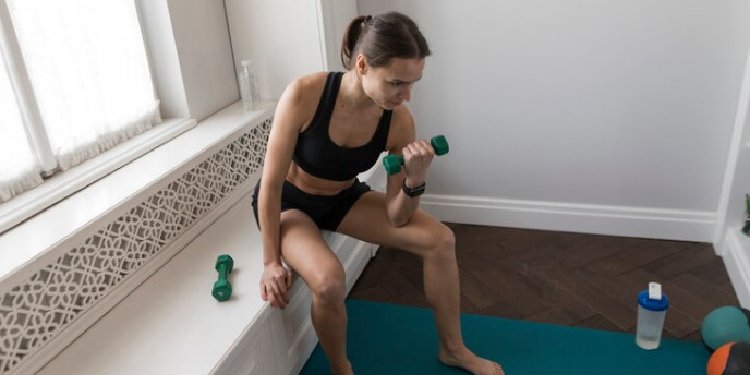
Try Active Recovery Instead of Staying Completely Still
When you experience muscle soreness after a workout, your first instinct may be to avoid movement. However, gentle activity can be a useful part of active recovery.
Active recovery means performing low-intensity movement instead of another demanding workout. The goal is to keep your body moving without adding significant stress to already tired muscles.
Simple options include:
- Taking an easy walk
- Cycling at a comfortable pace
- Doing gentle mobility exercises
- Performing light bodyweight movements
- Swimming at an easy intensity
These activities can increase blood flow and help you stay mobile without placing the same demands on your muscles as a hard workout. Light stretching can also feel comfortable after exercise.
However, stretching should not be treated as a guaranteed way to prevent soreness or speed up muscle repair. Keep movements gentle and avoid forcing a painful stretch.
Use Simple Tools When They Feel Helpful
You do not need expensive equipment to support muscle recovery. However, a few simple techniques may help you feel more comfortable after training.
A roller massager 6-Ball is one option. Foam rolling applies pressure to muscles and surrounding tissues. It may temporarily improve your range of motion and reduce the feeling of stiffness after exercise.
Heat can also be useful when muscles feel tight. A warm shower or bath may help you relax and temporarily relieve muscle discomfort.
Cold exposure is another commonly used recovery method. Ice baths or cold-water immersion may reduce soreness after certain types of intense exercise.
However, they are not essential for everyone, and frequent cold exposure immediately after resistance training may interfere with some of the adaptations associated with muscle growth.
Build a Recovery Routine You Can Actually Maintain
Good muscle recovery is not about finding one perfect technique. It is about combining several basic habits consistently.
After a challenging workout, think about the bigger picture:
- Eat enough protein to support muscle repair.
- Include carbohydrates to restore energy stores.
- Drink enough fluids to replace what you lose through sweat.
- Get sufficient sleep and allow your body to rest.
- Use gentle movement on easier recovery days.
- Use relaxation techniques or apply heat, whichever works best for you.
- Give heavily trained muscles enough time before another intense session.
Your recovery needs can also change over time. A beginner may need more rest after a new workout, while an experienced athlete may tolerate a higher training frequency. Exercise intensity, duration, nutrition, sleep, and overall stress all influence recovery.
Pay attention to how your body responds rather than trying to follow a rigid schedule.
Conclusion
Effective recovery starts with simple habits. Muscle recovery depends on giving your body enough nutrients, fluids, sleep, and time to adapt to exercise. Gentle movement can help you stay active between harder sessions, while techniques such as foam rolling or warm baths may provide additional comfort.
You do not need a complicated recovery plan to make progress. Focus on the basics and build a routine that fits your lifestyle. Most importantly, listen to your body. Persistent or severe pain is different from normal post-workout soreness and may require professional medical advice.
Train consistently, recover patiently, and give your body the support it needs to come back stronger.
Frequently Asked Questions
How long does muscle recovery take after a workout?
Muscle recovery time depends on the type and intensity of your workout, your fitness level, sleep, nutrition, and overall health. After a moderate workout, your muscles may feel ready within a day or two. More intense strength training can require longer. Mild muscle soreness is common, especially after trying a new exercise. However, severe or persistent pain should not be ignored. Giving your muscles enough time to recover can help you maintain good performance and reduce the risk of training when your body is not ready.
What should I eat after a workout for muscle recovery?
A balanced post-workout meal should provide both protein and carbohydrates. Protein supplies amino acids needed for muscle repair and protein synthesis, while carbohydrates help replenish muscle glycogen. Foods such as eggs, Greek yogurt, chicken, fish, beans, lentils, rice, oats, fruit, and potatoes can all be part of a recovery-focused meal. Drinking enough water is also important, especially after a workout that causes significant sweating.
Is sleep important for muscle recovery?
Yes. Sleep plays an important role in muscle recovery and overall physical performance. During sleep, the body carries out several processes involved in tissue repair and regulation. Growth hormone is also released during sleep and contributes to tissue growth and repair. Most adults should aim for around 7 to 9 hours of sleep per night. A regular sleep schedule and a comfortable sleep environment can make it easier to get enough quality rest after exercise.
Does active recovery help sore muscles?
Active recovery can be useful when your muscles feel tired or mildly sore. Low-intensity activities such as walking, easy cycling, or gentle mobility exercises keep you moving without placing heavy demands on your muscles. This may help you feel less stiff and maintain mobility. However, active recovery should remain easy. If movement increases pain or you feel unusually fatigued, taking a full rest day may be more appropriate.
Can foam rolling improve muscle recovery?
Foam rolling may provide temporary relief from muscle tightness and soreness while improving your range of motion. It can be a convenient addition to a recovery routine, especially after demanding exercise. However, it should not replace adequate sleep, nutrition, hydration, and rest. Use the foam roller gently and avoid applying excessive pressure to painful areas. If you experience significant or persistent pain, consider speaking with a healthcare professional rather than relying on self-massage.