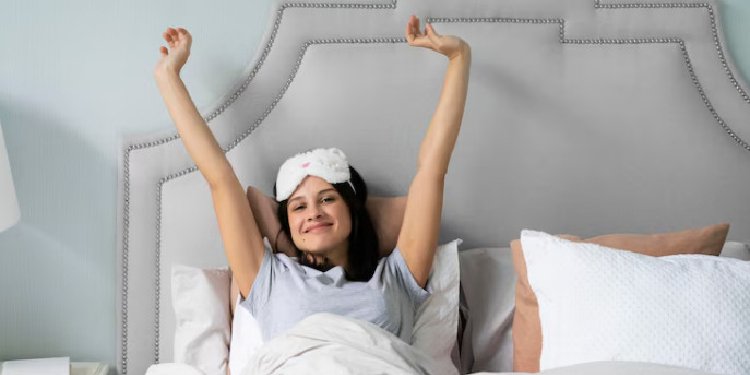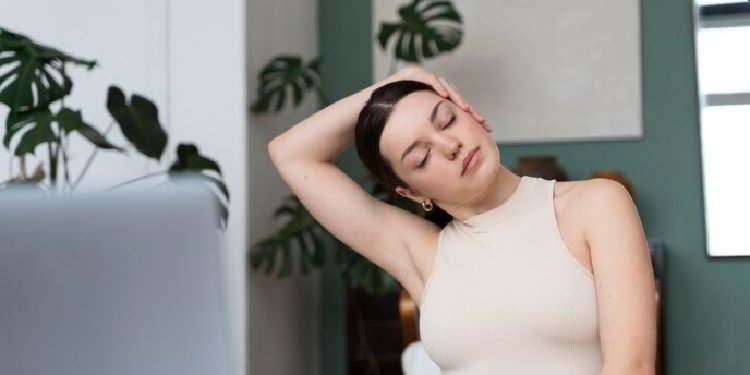
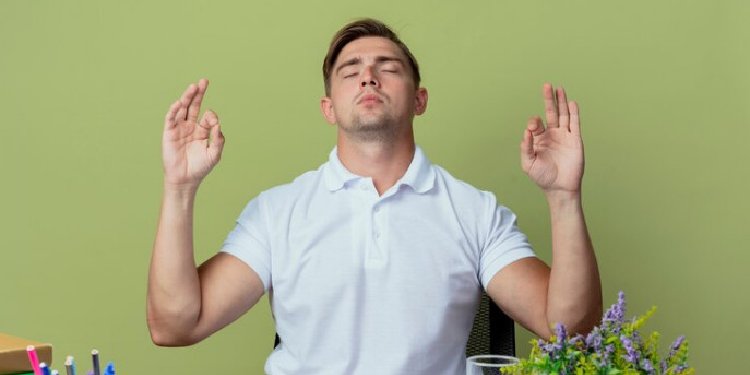
Do you constantly feel under pressure in your daily life, with a tight feeling in your chest or tension in your shoulders? These are signs that your body may need a break. Stress relief can help you restore a better balance, both physically and mentally. There are simple, proven techniques that can help release tension and promote a greater sense of well-being every day.
What Is Stress and Why Does It Happen?
According to the WHO, stress is a state of mental tension or worry. It usually occurs when you face a difficult situation or feel under significant pressure. Your body then enters a state of alert to help you deal with the challenge.
Several situations in everyday life can trigger this response, including:
- Heavy workload
- Lack of sleep
- Personal problems
- Major life change
- Financial concerns
- Family responsibilities
Stress can be helpful when it is temporary. It can help you stay alert and respond to demanding situations. However, when stress becomes frequent or persistent, it can affect your well-being. Ongoing stress may lead to fatigue, muscle tension, sleep problems, or difficulty concentrating.
This response is closely linked to the nervous system. When you face a stressful situation, your body releases hormones such as adrenaline and cortisol. These hormones prepare your body to react quickly. When this response happens too often, however, it can become difficult to manage on a daily basis.
Fortunately, several solutions can help you achieve stress relief. Others may include practices focused on relaxation or the use of wellness products designed to support your well-being. The goal remains the same: to help your body restore a better balance between your physical and mental well-being.
Simple Stress Relief Techniques You Can Try
Finding effective stress relief does not require an entire lifestyle overhaul. Incorporating targeted relaxation techniques into short pockets of your daily routine can gradually reset your nervous system.
- Slow breathing exercises
Consciously slowing down your breath signals safety to the brain. Deep breathing helps decrease heart rate and provides rapid stress relief.
- Short walks in nature
Moving outside for just 15 minutes helps clear mental clutter. Green spaces reduce mental fatigue and encourage gentle physical activity.
- Mindfulness practice
Focusing on the present moment without judgment reduces the impact of intrusive thoughts and worry.
- Targeted muscle relaxation
Systematically flexing and releasing different muscle groups relieves physical stress stored in the neck, shoulders, and back.
- Regular breaks
Stepping away from screens throughout the workday prevents cognitive overload and maintains steady productivity.
- Social connections
Spending time with supportive friends or family encourages the release of oxytocin, which naturally counters the physical effects of anxiety.
How Sleep Can Support Stress Relief?
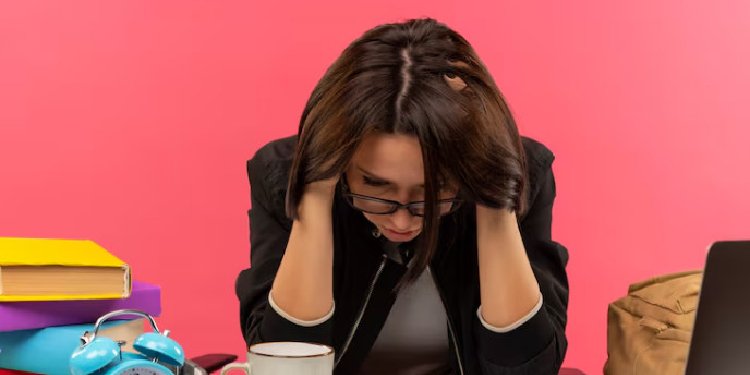
Sleep and stress have a complex, two-way relationship. Quality sleep plays an important role in stress relief. It allows the brain to consolidate memories, process emotions, and clear certain metabolic waste products.
On the other hand, insufficient or poor-quality sleep can increase anxiety. The resulting fatigue can make you more emotionally vulnerable throughout the day. This can create a cycle where stress disrupts sleep, while poor sleep makes it harder to manage stress.
To leverage sleep for better stress relief, building consistent healthy habits around bedtime is vital. Maintaining a fixed sleep schedule helps regulate your circadian rhythm.
A calming bedtime routine can also include relaxing activities that help you step away from screens and focus on yourself. For some people, using a 4D eye massager can be part of a quiet evening relaxation routine.
Daily Habits That May Help Reduce Stress
To cope with daily pressures, it’s important to prioritize healthy, consistent habits. Small lifestyle adjustments compound over time to support your nervous system.
- Consistent physical movement
Engaging in regular physical activity helps burn off excess adrenaline and stimulates the release of mood-elevating endorphins.
- Balanced nutrition and hydration
Consuming regular, nutrient-dense meals prevents blood sugar spikes and crashes that can mimic or worsen anxiety symptoms.
- Caffeine moderation
Reducing late-day caffeine intake prevents overstimulation of the central nervous system.
- Setting healthy boundaries
Learning to say no to unnecessary commitments protects your personal time and prevents burnout.
- Dedicated quiet time
Reserving even 10 minutes every morning or evening for quiet reflection helps maintain emotional balance.
Adopting these simple habits focused on relaxation, sleep, and recovery can help you maintain optimal daily well-being. BioNeuroLab focuses on solutions designed to support these aspects of everyday wellness.
Stress Relief Techniques: What Works Best?
Different methods offer unique advantages depending on your schedule, energy levels, and specific needs. The table below outlines several common approaches to natural stress relief.
| Technique | Potential Benefit | When to Try It | Difficulty | Time Required |
| Box Breathing | Rapidly lowers acute anxiety and racing heart rate | During high-pressure moments or before public speaking | Easy | 2–5 minutes |
| Brisk Walking | Releases physical tension and elevates baseline mood | During lunch breaks or immediately after work | Easy | 15–30 minutes |
| Progressive Muscle Relaxation | Unwinds deep muscular tightness and physically calms the body | Before falling asleep or after a demanding day | Moderate | 10–20 minutes |
| Mindfulness Meditation | Breaks cycles of negative overthinking and improves focus | Early in the morning or during work midpoints | Moderate | 5–15 minutes |
| Journaling | Externalizes emotional worries and offers clear perspective | In the evening or during moments of mental overwhelm | Easy | 10 minutes |
| Listening to Slow Music | Slows brainwave activity and lowers blood pressure | While commuting, relaxing at home, or unwinding | Easy | 15–30 minutes |
When Stress May Require Professional Support?
While self-care strategies, gentle movement, and breathing methods offer reliable daily stress relief, lifestyle adjustments are sometimes not enough. Occasional worry is a normal part of life, but severe or persistent strain can severely impair daily functioning.
If feelings of anxiety become unmanageable, interfere with work or relationships, or lead to feelings of hopelessness, seeking professional guidance is an essential step.
Primary care physicians, licensed therapists, and mental health counselors can offer clinical evaluation, personalized coping strategies, and evidence-based therapies tailored to your situation.
Should we use relaxation products and devices?
Natural techniques are often enough to help manage stress and support everyday stress relief. Breathing exercises, physical activity, and quality sleep can already help you feel calmer and more relaxed. However, certain relaxation products and devices can complement these habits, especially when they fit easily into a regular routine.
An ergonomic neck roller massager can be useful after a long day spent in front of a screen or in a static position. A neck massage roller can also provide a few minutes of relaxation when tension builds up in this area. These devices are designed to support moments of relaxation and complement healthy daily habits, making them a practical option for those looking for simple ways to incorporate stress relief into their routine.
Conclusion
Finding sustainable stress relief is a practical journey built on small, consistent choices rather than drastic lifestyle overhauls. By understanding how the nervous system reacts to daily pressure, you can use simple tools like diaphragmatic breathing, consistent sleep hygiene, and daily physical movement to regain physical and mental balance. Prioritizing rest and boundaries allows your mind and body to recover, ensuring you maintain long-term resilience and everyday comfort.
Frequently Asked Questions About Stress Relief
What is the best way to get stress relief quickly?
The fastest way to achieve immediate stress relief is through controlled breathing exercises, such as box breathing or slow diaphragmatic inhalations. Taking slow, deep breaths directly stimulates the vagus nerve, sending signals to your heart and brain to lower blood pressure and slow your heart rate. Stepping away from your immediate environment for a brief walk or splashing cold water on your face can also reset an overstimulated nervous system within minutes.
How can I relieve stress naturally?
You can achieve natural stress relief by adopting foundational lifestyle habits that support your nervous system. Regular physical activity, consistent sleep schedules, time spent outdoors, and mindfulness practices all help regulate stress hormones naturally. Additionally, spending time with loved ones, limiting caffeine, and engaging in tactile hobbies like reading or gardening provide sustainable long-term relief without relying on external stimulants or pharmaceuticals.
Can exercise help with stress relief?
Yes, regular physical activity is one of the most effective strategies for stress relief. Exercise lowers levels of the body’s stress hormones, including adrenaline and cortisol, while simultaneously stimulating the production of endorphins—chemicals in the brain that act as natural mood elevators. Whether it is a brisk walk, swimming, cycling, or yoga, consistent movement releases physical muscle tension and provides a healthy outlet for mental frustration.
Does better sleep help reduce stress?
Quality sleep is essential for effective stress relief and emotional regulation. During deep sleep stages, the brain repairs tissue, processes the day’s experiences, and rebalances neurotransmitters. Poor sleep amplifies the body’s stress response, making daily challenges feel significantly more overwhelming. Establishing a calm bedtime routine, limiting screen exposure at night, and keeping your sleep environment dark and cool will support deeper sleep and build mental resilience.
When should I seek help for stress?
You should consider reaching out to a healthcare professional if self-care techniques no longer provide stress relief, or if anxiety consistently interferes with your daily life, work, or personal relationships. Warning signs include persistent insomnia, severe changes in appetite, physical pain without a clear cause, chronic fatigue, or feelings of intense overwhelm that persist for several weeks. A qualified professional can provide a tailored support plan.