
Your feet work hard every day, whether you spend hours standing, walking, exercising, or sitting at a desk. When they feel sore, heavy, or tense, finding simple tired feet relief can help you feel more comfortable. Fortunately, a few easy habits can make a difference without requiring complicated treatments. From warm foot baths and gentle massage to stretching, elevation, and supportive footwear, this guide explains practical ways to soothe tired feet and prevent everyday foot fatigue.
Understanding the Causes of Tired Feet
Tired feet can develop for many everyday reasons. Spending several hours standing or walking places continuous pressure on the muscles, joints, ligaments, and soft tissues in your feet. People with physically demanding jobs may notice this discomfort more often.
Your footwear can also play an important role. Shoes that are too tight, lack cushioning, or provide limited support may increase pressure on certain areas of the foot. High heels can also shift body weight toward the front of the foot, which may contribute to discomfort after prolonged wear.
Other factors can include:
- Walking or exercising more than usual
- Standing on hard surfaces for extended periods
- Wearing poorly fitting shoes
- Limited movement during long periods of sitting
- Muscle tightness in the feet and calves
- Changes in body weight
- Certain foot conditions or injuries
Some people also associate tired, heavy legs and feet with circulation issues. Simple relaxation tools may help support comfort after a long day, but they should not replace medical care when unusual symptoms occur. Persistent swelling, significant pain, numbness, skin color changes, or unusual temperature changes should not simply be treated as normal fatigue. These symptoms deserve medical advice.

Effective At-Home Techniques for Tired Feet Relief
You can create a simple routine at home using techniques that require little equipment. The goal is to give your feet time to relax while gently supporting mobility and comfort.
Soaking and Baths
A warm foot bath can be a relaxing way to finish a long day. Place your feet in comfortably warm water for around 10 to 15 minutes. The warmth can feel soothing and may help your muscles relax.
Some people add Epsom salt to their foot bath. Although Epsom salt is widely used in home foot-care routines, evidence that magnesium is absorbed through the skin in meaningful amounts is limited. The relaxing experience itself may be the main benefit.
Essential oils are another popular option. If you choose to use them, dilute them properly in a suitable carrier and follow the product instructions. Some essential oils can irritate sensitive skin, so a patch test may be appropriate.
After soaking, dry your feet carefully, especially between the toes. You can then apply a moisturizer to help keep the skin comfortable.
A warm foot bath is not suitable for everyone. People with reduced sensation in their feet should be especially careful with water temperature to avoid burns.
Elevation and Rest
Sometimes the simplest form of tired feet relief is giving your feet a genuine break. If you have spent much of the day standing or walking, sit down and elevate your legs for a while.
Place your feet on a cushion, footrest, or the end of a sofa. This simple position can also support stress relief by giving your body a moment to slow down and relax. Keeping your legs comfortably raised can help you unwind after prolonged activity.
You do not need to stay in one position for a long time. Even a short rest period can give your feet a chance to recover from continuous pressure.
Try combining elevation with slow breathing or another relaxing activity. This can turn a basic rest period into a more complete recovery routine.
Self-Massage and Stretching
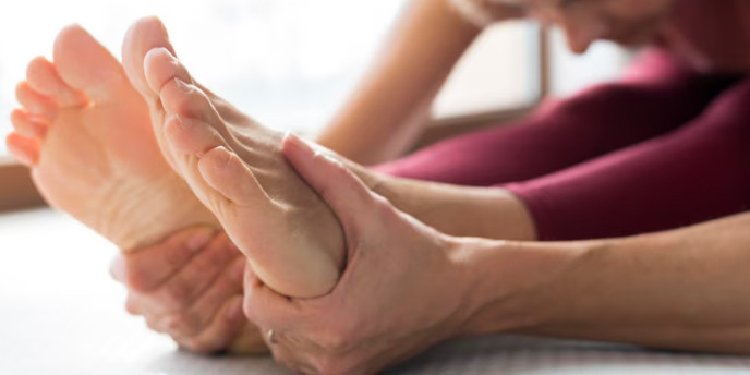
Gentle massage can be another practical approach to tired feet relief. You can use your hands or a small massage ball to apply comfortable pressure to the sole of your foot.
One simple technique involves rolling a tennis ball or similar soft ball under your foot. Sit in a chair and place the ball beneath your arch. Slowly roll it from the heel toward the front of your foot.
Keep the pressure comfortable. You should not force painful areas or continue if the movement causes sharp pain.
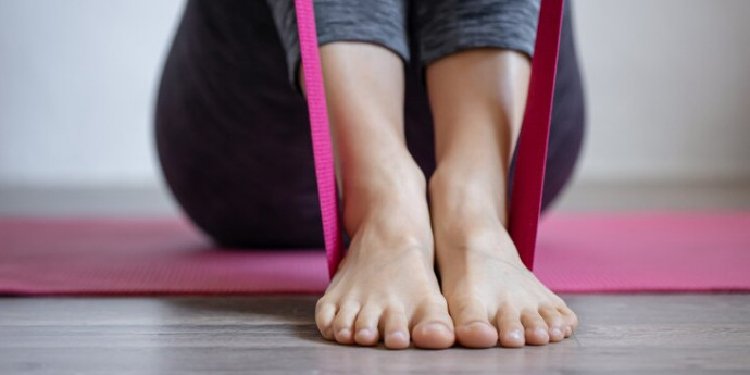
Stretching can also help maintain flexibility. Try these simple movements:
- Sit down and extend one leg forward
- Gently pull your toes toward you
- Hold the stretch for about 15 to 30 seconds
- Relax and repeat on the other foot
- Rotate each ankle slowly in both directions
You can also stretch your calves against a wall. Tight calves may affect how your feet move, so keeping the lower legs flexible can be useful for overall foot comfort.
Invest in the Right Tools and Footwear
Good footwear can make a major difference when your feet spend hours supporting your body. Shoes should provide enough room for your toes without allowing excessive movement inside the shoe.
Look for footwear with:
- Adequate cushioning
- Comfortable arch support
- A stable sole
- Enough space around the toes
- A secure fit around the heel
- Materials that allow reasonable ventilation
Avoid choosing shoes based only on appearance. A pair that looks great but creates pressure points can leave your feet uncomfortable after several hours.
For some people, supportive insoles or orthotic inserts may also improve comfort. However, the right option depends on your individual foot shape and needs. If you have persistent pain or a diagnosed foot problem, consider discussing footwear or orthotics with a qualified healthcare professional.
Massage tools can complement these basics. A foot massager or gentle stimulation technology can provide another way to relax the feet after a busy day. Devices designed around massage or nerve stimulation may fit naturally into a personal recovery routine, particularly for people looking for convenient tired feet relief at home.
The goal is not to replace professional care. Instead, these tools can support everyday relaxation and self-care when used according to their instructions.
Lifestyle Habits to Prevent Foot Fatigue
The best tired feet relief routine is not only about what you do when your feet hurt. Your daily habits can also influence how your feet feel at the end of the day.
Stay Hydrated
Drink enough fluids throughout the day. Your hydration needs vary depending on factors such as activity, weather, diet, and individual health.
Keeping a water bottle nearby can make regular hydration easier, especially during busy workdays.
Alternate Sitting and Standing
Staying in the same position for hours can make your body feel stiff. If your routine involves sitting for long periods, get up regularly and move around.
If you work on your feet, look for opportunities to sit and rest when possible. Changing positions can reduce continuous pressure on the same areas.
Maintain a Healthy Activity Routine
Regular movement helps keep your feet, ankles, and legs active. Walking, gentle stretching, swimming, and other low-impact activities can support general physical fitness.
If you are increasing your activity level, do it gradually. A sudden increase in walking or exercise can place additional stress on your feet.
Pay Attention to Your Body
Foot fatigue after an unusually active day is often temporary. Persistent or worsening discomfort is different.
Do not ignore symptoms such as severe pain, significant swelling, unexplained numbness, wounds that do not heal, or major changes in the appearance or temperature of your feet. These signs may require professional evaluation.
Small lifestyle changes combined with suitable footwear and regular recovery can support long-term foot comfort. Simple neck relaxation techniques can also complement a broader relaxation routine, especially after a long or physically demanding day. Together, these habits can make tired feet relief easier to achieve without waiting until discomfort becomes severe.
Make Tired Feet Relief Part of Your Routine
You do not need a complicated routine to care for tired feet. A warm soak, a few gentle stretches, a short massage, and some time with your legs elevated can provide a simple way to unwind after a demanding day.
Supportive footwear and regular movement can also help reduce unnecessary strain. For additional relaxation, massage rollers and suitable stimulation devices can complement your personal foot-care routine.
The key is consistency. Instead of waiting until your feet feel exhausted, give them regular opportunities to rest and recover. With a few simple habits, tired feet relief can become a natural part of your everyday wellness routine.
Take a few minutes today to give your feet the attention they deserve. Your feet support you every day, so making their comfort a priority is a simple investment in your overall well-being.
FAQ
How long does it take for tired feet to recover?
Recovery time depends on what is causing your foot fatigue. After a long day of standing or walking, your feet may feel better after several hours of rest. Gentle stretching, massage, elevation, and comfortable footwear can support tired feet relief. If discomfort continues for several days, becomes more intense, or affects your normal activities, consider speaking with a healthcare professional to identify the underlying cause.
Can walking help relieve tired feet?
Gentle walking can sometimes support tired feet relief by encouraging movement after sitting for long periods. However, walking may not be appropriate when your feet are already painful or when discomfort results from excessive activity. Start slowly and choose supportive shoes. If walking increases pain, stop and allow your feet to rest. Persistent discomfort should be discussed with a qualified healthcare professional.
Should I massage my feet every day?
A gentle daily foot massage can be part of a relaxing self-care routine and may support tired feet relief after standing or walking. Use comfortable pressure and avoid pressing directly on areas that are injured, swollen, or very painful. You can massage your feet with your hands or a suitable massage tool. Stop if the technique causes sharp pain, tingling, or increased discomfort.
When should tired feet be checked by a doctor?
Occasional foot fatigue is common, but certain symptoms require more attention. Seek professional advice if pain persists, becomes severe, or repeatedly interferes with daily activities. Significant swelling, numbness, wounds, skin color changes, or unusual temperature changes should also be evaluated. While home routines can support tired feet relief, they should not replace medical assessment when symptoms are persistent, unexplained, or getting worse.