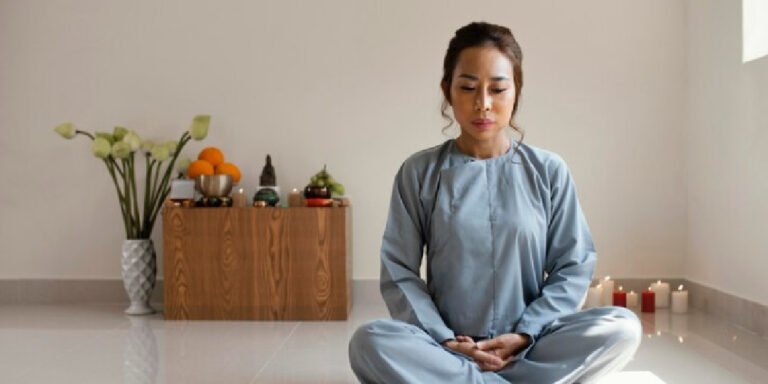
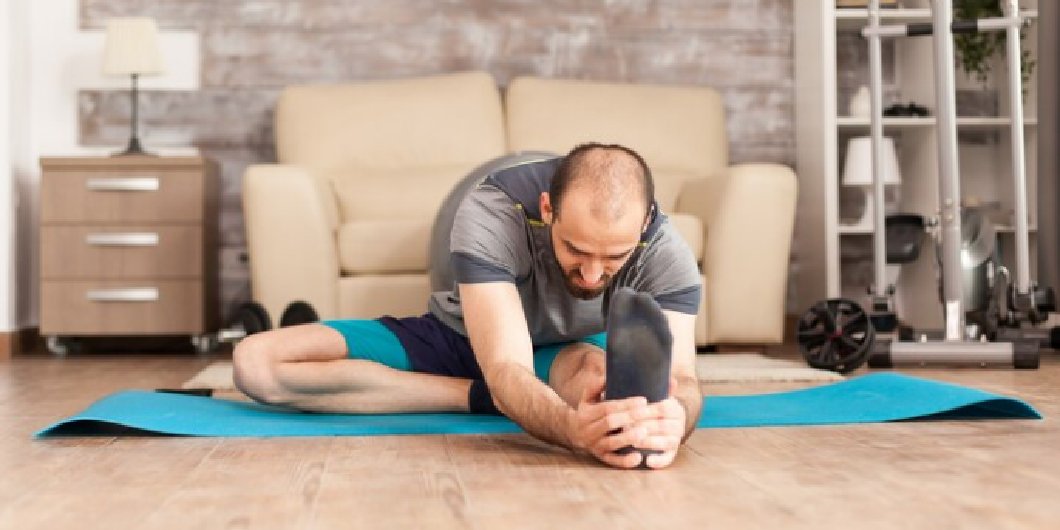
Modern life can keep your body in a constant state of alert. Work pressure, screens, poor sleep, and daily worries can all increase stress. As a result, your mind may feel calm while your body remains tense, with faster breathing, tight shoulders, or a racing heart. Learning how to calm your nervous system starts with understanding these reactions. Simple habits such as slow breathing, regular movement, better sleep, and body awareness can help your body shift toward recovery when practiced consistently.
Understanding Your Nervous System and the Stress Response
Your autonomic nervous system regulates many functions without conscious effort. These include heart rate, breathing, blood pressure, digestion, and temperature regulation. It has two major branches that constantly interact :
- The sympathetic nervous system helps prepare your body for action. It contributes to the familiar fight-or-flight response. Your heart rate can increase, breathing can accelerate, and muscles can receive more resources for immediate action.
- The parasympathetic nervous system supports rest, digestion, and recovery. The vagus nerve is a major pathway involved in parasympathetic regulation.
This does not mean one branch is “good” and the other is “bad.” Your body needs both. A healthy nervous system continuously adapts to changing demands. The goal of learning how to calm your nervous system is therefore not permanent relaxation. It is greater flexibility between activation and recovery.
What happens during chronic stress?
Short-term stress is a natural part of how your body responds to challenges. It can increase alertness, raise your heart rate, and prepare you to act. However, when stress becomes frequent or lasts too long, your body may struggle to return to a relaxed state. This can leave you feeling tense, restless, or constantly on edge, even when there is no immediate threat.
Heart rate variability (HRV) is one physiological measure researchers use to study nervous system regulation. It reflects the natural changes in time between heartbeats and can provide clues about how your body adapts to different demands. Research has linked stress with changes in HRV. However, HRV is not a simple “stress score” and should always be interpreted in context.
How to Calm Your Nervous System With Slow Breathing?
Your breathing can change quickly when you feel stressed. It may become faster, shallower, or less regular as your body prepares to respond to a perceived threat. Slowing your breathing down can help create a calmer physiological state and may influence how your heart and nervous system respond.
Research supports this approach. A systematic review and meta-analysis of 223 studies found that slow breathing was associated with higher vagally mediated heart rate variability (HRV) during and after practice. Repeated breathing exercises showed similar effects.
For this reason, slow breathing is a simple and accessible tool for learning how to calm your nervous system. It requires no equipment and can be practiced almost anywhere.
Five-minute breathing exercise
If you want to try slow breathing, start with a simple five-minute exercise. The goal is to slow your breathing without forcing it or creating discomfort. If you want to get started, follow these simple steps:
- Sit in a comfortable position and let your shoulders relax.
- Breathe in gently through your nose for about four seconds.
- Exhale slowly for about six seconds.
- Keep your breathing soft and avoid filling your lungs completely.
- Continue for around five minutes.
- Return to your normal breathing if you feel dizzy or uncomfortable.
A longer exhale is not a magic solution. It simply helps you maintain a slower and more controlled breathing rhythm. You can also try equal breathing, such as four seconds in and four seconds out. Choose the pattern that feels natural and easy to maintain.
You can also combine slow breathing with gentle physical relaxation. For example, using an ergonomic massage roller around tense areas such as the neck and shoulders may help reduce muscle tension and make your relaxation routine more comfortable.
Support Your Nervous System With Better Sleep
Sleep is not simply a period when your brain switches off. During sleep, your body regulates numerous physiological processes. Poor sleep can also affect how the body responds to stress.
A study found that poor sleep quality may increase stress reactivity by affecting the hypothalamic-pituitary-adrenal (HPA) axis. However, research on sleep and cortisol responses remains complex.
Consequently, improving sleep can be an important part of learning how to calm your nervous system. Start with simple habits:
- Keep a relatively consistent sleep schedule.
- Reduce stimulating activities before bedtime.
- Keep your bedroom comfortable and dark.
- Limit excessive caffeine, particularly later in the day.
- Give yourself enough time to sleep.
- Develop a predictable wind-down routine.
You do not need a perfect bedtime routine. Repetition matters more than perfection.
Gentle movement for a tense neck
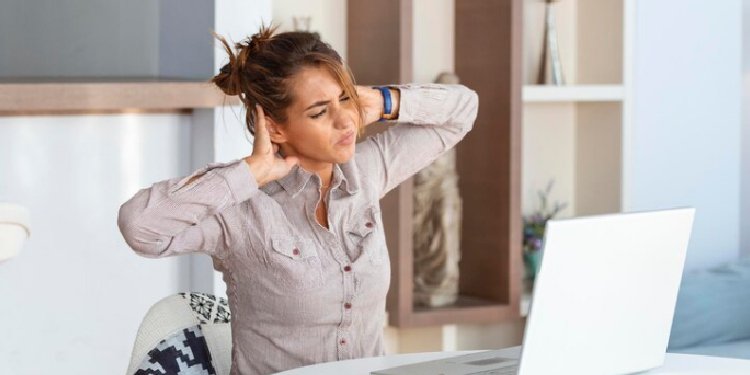
Muscle tension can develop around the neck and shoulders during periods of stress, particularly when you spend long hours sitting or working at a computer. Gentle movement can help maintain mobility and provide a simple way to release some of this physical tension.
Try slow neck movements within a comfortable range of motion. You can gently turn your head from side to side, bring your chin toward your chest, or make small shoulder movements. Avoid sudden stretches, excessive pressure, or any position that causes pain.
If neck tension occurs regularly, combining gentle mobility with slow breathing or light self-massage can make your relaxation routine more complete. You can also explore different neck relaxation techniques to find an approach that feels comfortable for you.
The purpose is not to force the muscles to relax. Instead, gentle and controlled movements can reduce physical discomfort while giving you a simple opportunity to slow down and focus on your body.
Nutrition and Supplements: Keep the Claims Realistic
Your brain and nervous system require adequate energy and nutrients to function normally. A balanced diet can support overall health and provide essential nutrients involved in neurological processes.
However, no specific food or supplement can instantly switch off the stress response. Be especially cautious with products marketed as “cortisol blockers,” “vagus nerve boosters,” or instant nervous-system resets.
Some supplements may have legitimate uses in specific circumstances. Yet their benefits depend on the individual, dosage, nutritional status, medications, and underlying health conditions.
If you are considering supplements for stress, discuss them with a qualified healthcare professional, particularly if you take medication or have a medical condition.

Vagus Nerve Stimulation: What We Actually Know
The vagus nerve plays an important role in communication between the brain, heart, digestive system, and other organs. It is also involved in parasympathetic activity and several processes that contribute to autonomic regulation.
Because of these functions, vagus nerve stimulation has attracted growing interest in research on stress and recovery. Non-invasive techniques, including transcutaneous vagus nerve stimulation, are being studied for their potential effects on autonomic function.
However, the current evidence does not support treating vagus nerve stimulation as a universal solution for stress. Results can vary depending on the stimulation method, intensity, duration, timing, and characteristics of the person receiving it. Some studies have reported changes in markers of autonomic activity, while the overall quality of evidence remains limited.
For everyday stress management, it is therefore more appropriate to focus on established and accessible habits. Slow breathing, regular physical activity, muscle recovery, sufficient sleep, and relaxation practices can all form part of a practical approach to nervous system regulation.
A Simple Daily Routine for Nervous System Regulation
You can combine several strategies into a short daily routine.
- Morning : Start with a few minutes of natural movement. A short walk or gentle mobility routine can help you transition into the day.
- During the day : Take brief breathing breaks between demanding tasks.
- Try five slow breaths before opening another email or starting a stressful conversation.
- Afternoon : If possible, take a short outdoor walk. Daylight exposure and movement can support healthy daily rhythms.
- Evening : Reduce stimulating activities before bed. Add five minutes of slow breathing, gentle stretching, or another relaxing activity.
This routine is deliberately simple. The nervous system does not require complicated protocols. Repeated signals of safety, recovery, movement, and rest can become part of a healthier daily pattern.
How to Calm Your Nervous System: 5 Techniques Compared
| Technique | Neurobiological mechanism | Time needed | Commonly perceived effect |
|---|---|---|---|
| Slow breathing | Supports vagal regulation and can increase vagally mediated HRV | 5–10 minutes | Calmer breathing and reduced tension |
| Gentle walking | Supports autonomic flexibility and physical stress regulation | 10–30 minutes | Improved mood and mental clarity |
| Somatic tracking | Directs attention toward bodily sensations without immediate reaction | 5–10 minutes | Greater body awareness |
| Progressive relaxation | Alternates muscle tension and release | 10–20 minutes | Reduced physical tension |
| Consistent sleep routine | Supports HPA-axis and autonomic regulation | Daily | Better recovery and resilience |
BioNeuroLab Tools for a More Consistent Relaxation Routine
Relaxation can become easier to maintain when it is supported by a consistent routine. BioNeuroLab offers wellness tools that can complement simple practices such as slow breathing, gentle movement, and relaxation exercises.
You can explore the BioNeuroLab shop to find products designed to support different aspects of daily comfort and recovery. For example, a relaxation device can be incorporated into an evening routine alongside breathing exercises or quiet time before bed.
These tools are not intended to replace healthy habits or medical care. Instead, they can provide additional support when used as part of a balanced routine. The objective is to create regular moments of comfort and relaxation that give your body time to recover from everyday demands.
Conclusion: Build a Nervous System That Can Recover
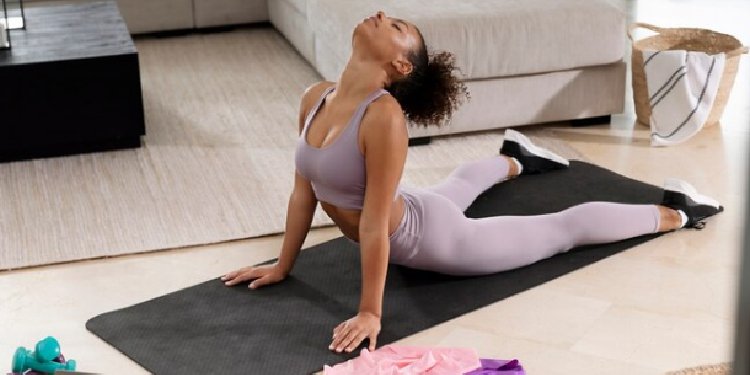
Learning how to calm your nervous system does not mean eliminating stress. It means helping your body recover after periods of activation. Slow breathing, gentle movement, body awareness, quality sleep, and regular relaxation can support this process. Start with small, consistent habits, such as five minutes of slow breathing, a short walk, or a relaxing evening routine. Over time, consistency can be more useful than searching for a perfect technique. If you want additional support, explore the BioNeuroLab shop and find a wellness tool that fits naturally into your daily routine.
Frequently Asked Questions
How fast can you calm your nervous system?
Some relaxation techniques can produce noticeable changes within minutes. Slow breathing is one example. Research shows that voluntary slow breathing can increase vagally mediated HRV during and after practice. However, feeling calmer and changing long-term stress resilience are different goals. A five-minute exercise may help during an acute stressful moment. Consistent sleep, exercise, and relaxation habits may provide broader benefits over time.
What are the signs of an overloaded nervous system?
People may describe persistent muscle tension, difficulty relaxing, irritability, racing thoughts, sleep difficulties, digestive changes, or increased awareness of their heartbeat. These symptoms are not specific to nervous-system overload. They can have many possible causes. Consequently, persistent or severe symptoms should be discussed with a healthcare professional rather than automatically attributed to stress.
Does breathing really stimulate the vagus nerve?
Breathing affects cardiovascular and autonomic regulation, and slow breathing is associated with increases in vagally mediated HRV. However, saying that every breathing exercise directly “activates the vagus nerve” oversimplifies the physiology. Breathing influences several interconnected systems, including respiratory, cardiovascular, autonomic, and brain processes.
Can exercise help regulate the nervous system?
Yes, regular physical activity can support several systems involved in stress regulation. Research has associated physical activity programs with improvements in cortisol regulation and sleep quality. The appropriate activity depends on your health, fitness level, preferences, and goals. Gentle movement can still be useful when intense exercise feels inappropriate.